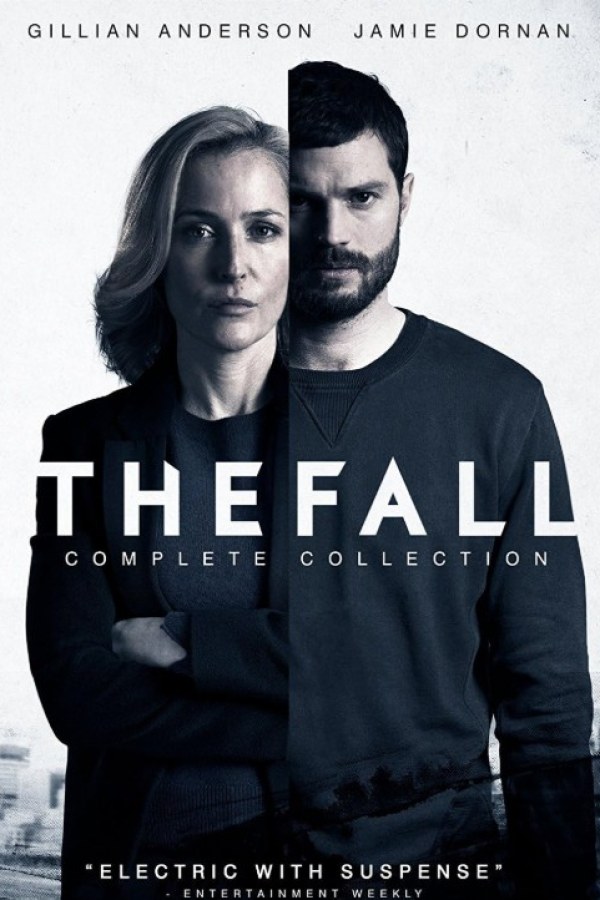
When discussing the architects of the modern British television renaissance, writer, director, and showrunner Allan Cubitt occupies a fiercely unique space. Best known as the sole creator, writer, and director of the critically acclaimed thriller series The Fall, Cubitt has built a career spanning decades by refusing to give audiences cheap thrills or easy Hollywood answers.
Instead, he uses the medium of television to conduct deep, often unsettling psychological autopsies on society, gender dynamics, and power. For QueerFilmHub readers, Cubitt is a fascinating study of an ally writer who cracked the code on writing fluid, autonomous sexuality without ever exploiting it. Here are the untold stories of Allan Cubitt.
1. The Theatre Roots and the Prime Suspect Legacy
Before he became a titan of prestige television, Cubitt’s creative sensibilities were forged in the unforgiving world of London theatre, working as a playwright. This background heavily dictates why his television scripts feel so dense, dialogue-heavy, and focused on subtext.
His massive breakthrough into TV crime drama came when he was hired to write Prime Suspect 2 (1992) starring Helen Mirren. Working on that legendary show taught Cubitt how to intertwine institutional misogyny with a criminal investigation—a creative blueprint he would perfect twenty years later when designing the world of Belfast for The Fall.
2. Deconstructing the Myth of the "Sexy Serial Killer"
When The Fall first aired, critics were quick to point out how attractive the casting of Jamie Dornan was. Cubitt, however, faced immense pressure behind the scenes to make sure the show didn't accidentally glamorize or romanticize a serial killer.
A lesser-known aspect of Cubitt’s writing philosophy is how fiercely he engineered the script to deconstruct this very trope. He intentionally wrote scenes showing Paul Spector as a petty, narcissistic thief who sniffed undergarments and threw tantrums, stripping away the "genius Hannibal Lecter" myth. Cubitt wanted to show that violence against women isn't born from criminal genius, but from deeply pathetic, fragile male egos—a radical stance in a genre that often loves to romanticize male monsters.
3. Creating Stella Gibson: An Intentional Gift to Queer Autonomy
How did a middle-aged British man write one of the most celebrated queer feminist icons of the 21st century? Cubitt has openly stated that Stella Gibson was born out of his frustration with how limited female characters were on television.
He didn't write Gibson’s bisexuality/fluidity as a "twist" or a sweeps-week stunt to titillate male viewers. Cubitt’s screenwriting masterclass lay in making Stella’s sexuality completely casual. By having her casually invite a female pathologist to her hotel room, or discuss her past loves without shame, Cubitt gifted the LGBTQ+ community a character who simply existed in her truth, prioritizing her professional genius and personal freedom above patriarchal approval.
4. Taking Full Directorial Control
Originally, Cubitt was primarily known in the industry as a pure screenwriter. However, after the first season of The Fall, he realized that television is a director’s medium and that to truly protect the integrity of his scripts, he needed to hold the camera himself.
He stepped into the director’s chair for Seasons 2 and 3, an incredibly rare feat for a TV writer at the time. By taking absolute control over the lighting, the chameleonic pacing, and the lingering, claustrophobic camera angles, Cubitt transformed the series from a standard police procedural into a highly stylized, cinematic work of art.
5. Embracing the Chilling Power of Silence
While mainstream television executives are terrified of dead air and silence, demanding constant music or exposition to keep audiences from changing the channel, Cubitt is a master of the unsaid.
A fascinating detail about his directing style on set is his insistence on stripping away background noise. He spent weeks in post-production tuning down the musical score, forcing the audience to sit in the uncomfortable, hyper-realistic silence of an empty room or the cold echo of an interrogation suite. He believes that the human subconscious reveals itself best when there is no sound to hide behind—a technique that gives his filmography its signature, icy grip.
The Verdict
Allan Cubitt is a writer-director who treats the television screen like a mirror, forcing society to look at its darkest, most uncomfortable reflections. By subverting traditional crime mechanics and championing complex, sexually fluid female characters, he has elevated the thriller genre into a boundary-pushing art form. For the QueerFilmHub audience, Cubitt remains an essential visionary who proved that independent, uncompromising artistic choices can triumph on the grandest stages of global television. 🚀🌈