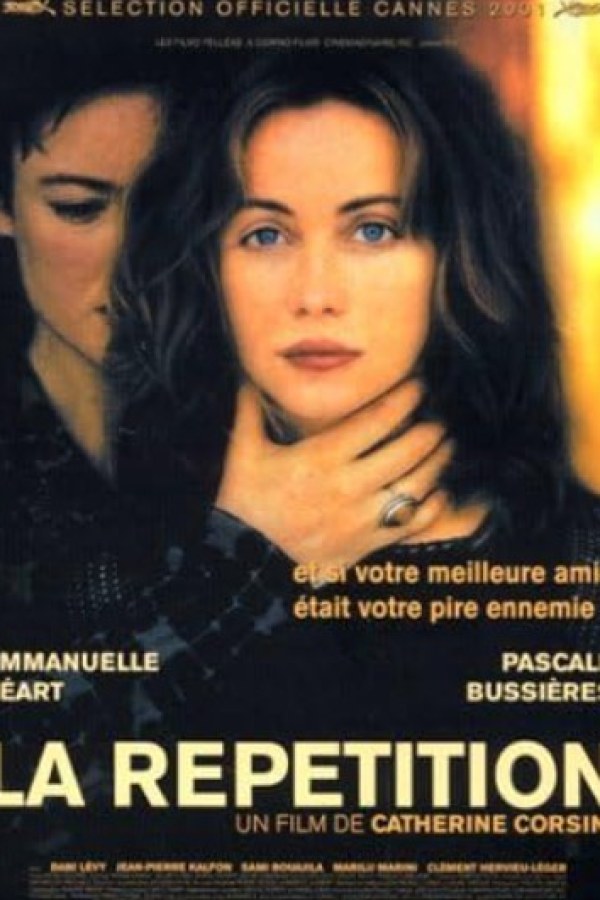
When exploring the landscape of contemporary French cinema, few directors capture the intersection of political turmoil, human frailty, and explosive passion with the raw intensity of Catherine Corsini. For over three decades, Corsini has been a formidable force at major international film festivals, particularly Cannes, where her films consistently challenge audiences to look at the messy, unvarnished realities of modern society.
For the QueerFilmHub community, Catherine Corsini is an absolute titan. She is a filmmaker who refuses to separate queer identity from broader social, economic, and class struggles, making her work fiercely political, deeply emotional, and endlessly compelling. Here are the defining elements of her cinematic vision.
1. Summertime (La Belle Saison, 2015): A Radical Lesbian Love Story
One of Corsini’s most beloved contributions to the LGBTQ+ cinematic canon is the gorgeous, sun-drenched period drama Summertime (2015). Set in 1971, the film chronicles the passionate love affair between Delphine, a country girl from a conservative farming family, and Carole, a Parisian feminist activist.
What makes Corsini's direction so remarkable here is how she seamlessly intertwines personal, intimate desire with the historical weight of the early French feminist movement (Mouvement de Libération des Femmes). Corsini captures the physical ecstasy of lesbian love with a vibrant, breathless energy, while simultaneously delivering a heartbreaking look at the painful constraints of rural traditions and family duty. It stands as a modern classic of queer romance.
2. Winning the Queer Palm with The Divide (La Fracture, 2021)
Corsini reached a historic career milestone with The Divide (2021), a high-stakes, adrenaline-fueled dramedy that won the prestigious Queer Palm at the Cannes Film Festival. The film takes place over one chaotic night inside a collapsing Parisian emergency room, where a middle-class lesbian couple on the verge of a breakup finds themselves trapped alongside injured Gilets Jaunes (Yellow Vests) protestors and overwhelmed medical staff.
Through The Divide, Corsini demonstrated her incredible ability to direct chaos. The film functions as a frantic, claustrophobic microcosm of a fractured France. By placing a deeply flawed, intensely relatable lesbian couple at the center of a national socio-economic crisis, Corsini brilliantly shattered the "queer bubble," proving that LGBTQ+ characters don't live in isolation—they bleed, argue, and survive within the same broken systems as everyone else.
3. The Anatomy of Desire and Obsession
Long before her explicitly political works, Corsini established herself as a master of psychological tension and romantic obsession. Her 2009 film Leaving (Partir), starring Kristin Scott Thomas, is a fierce, stripped-down exploration of a woman destroying her comfortable bourgeois life to pursue an all-consuming, destructive affair with a working-class laborer.
Corsini’s lens is fascinated by the moments when human beings cross the point of no return. As a director, she doesn't judge her characters for their reckless, passionate, or deeply selfish choices. Instead, she directs with a sense of urgent curiosity, capturing the physical and psychological gravity of desire that defies societal expectations, class structures, and common sense.
4. Directing Class Warfare and Intersectional Realism
Whether exploring the 1970s countryside in Summertime, a modern hospital in The Divide, or the complex family dynamics on the island of Corsica in Homecoming (Le Retour, 2023), Corsini is obsessed with class friction.
Her visuals are deeply grounded in a sharp, realistic aesthetic. She uses cinematography not to glamorize her locations, but to highlight the physical realities of her characters' environments—the exhausting labor of a farm, the sterile stress of a hospital, or the social divides of a summer beach. Corsini understands that a person's economic reality shapes how they love, how they fight, and how they express their identity.
5. A Legacy of Provocation and Resilience
As a prominent queer woman in the highly competitive French film industry, Corsini has spent her entire career fighting for her artistic autonomy. She is known for being an incredibly demanding, passionate presence on set, pushing her actors—including French icons like Cécile de France, Valeria Bruni Tedeschi, and Virginie Ledoyen—to deliver performances of exhausting emotional honesty.
Her cinema is rarely comfortable, often sparking intense debates about class, privilege, and ethics. Yet, it is precisely this refusal to play it safe that makes her a vital auteur. Corsini uses the camera as a mirror to force society to confront its own fractures, hypocrisy, and hidden passions.
The Verdict
Catherine Corsini is a fearless storyteller who reminds us that the personal is always political. By infusing her queer narratives with the grit of social realism and the fire of untamed passion, she provides the QueerFilmHub audience with cinema that is intellectually electric and emotionally devastating. Her filmography is an essential, defiant pillar of modern European queer cinema. 🚀🌈🎬