In the landscape of modern world cinema, few directors look at women—their desires, their grief, and their resilience—with the radical tenderness of Chilean auteur Sebastián Lelio. Rising from the vanguard of the "New Chilean Cinema," Lelio has built an internationally acclaimed career by placing marginalized, často overlooked protagonists at the dead center of his frame.
For the QueerFilmHub community, Lelio is a legendary figure. He is a filmmaker who doesn't just create "representation"; he crafts bulletproof, deeply human cinematic monuments that challenge institutional bigotry through the sheer power of emotional intimacy. Here are the defining elements of his brilliant directorial world.
1. The Oscar-Winning Subversion of A Fantastic Woman
Lelio cemented his name in film history with Una mujer fantástica (A Fantastic Woman, 2017). The film follows Marina, a young trans woman and singer, who faces immense cruelty, institutional transphobia, and familial exclusion from her older lover's family after his sudden death.
Lelio’s direction broke crucial boundaries. Instead of casting a cisgender actor to play a trans experience (a frustratingly common Hollywood trope), Lelio hired the magnificent trans actress and opera singer Daniela Vega. Furthermore, he resisted making a film purely about trans misery. Instead, Lelio shot A Fantastic Woman like a gorgeous, technicolor Hitchcockian thriller and a ghost story, transforming Marina not into a passive victim, but into a resilient, defiant heroine of her own destiny. The film rightly earned Chile its first-ever Academy Award for Best Foreign Language Film.
2. The Trilogy of Defiant Women
Looking closely at Lelio's filmography reveals a beautiful, loose trilogy of films dedicated to women asserting their freedom later in life. It began with the indie hit Gloria (2013)—and its English-language remake Gloria Bell (2018), starring Julianne Moore—which focused on a 58-year-old divorcée navigating the club scene, romance, and aging with unapologetic vitality.
Combined with A Fantastic Woman, these films showcase Lelio’s obsession with capturing "invisible women." He uses his camera to dismantle the societal myth that women lose their value, sexual desires, or capacity for adventure once they cross a certain age or live outside heteronormative expectations.
3. Exploring Orthodox Boundaries in Disobedience
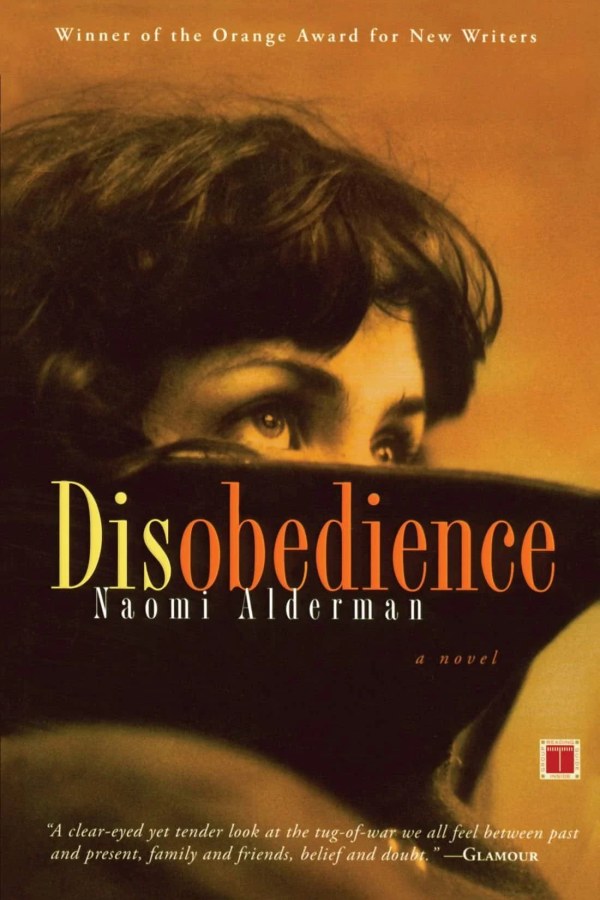
In 2017, Lelio made his English-language debut with Disobedience, an adaptation of Naomi Alderman’s novel starring Rachel Weisz and Rachel McAdams. The film explores a hidden, passionate lesbian romance within a strict Orthodox Jewish community in London.
A lesser director might have turned the community into simple, cartoonish villains. Lelio, true to his humanistic style, treated the religious environment with immense structural respect, making the central romantic conflict even more devastating. The iconic, intensely intimate love scene between the two Rachels is widely praised in queer cinema for its absolute focus on female agency, mutual pleasure, and emotional release, completely stripped of the voyeuristic "male gaze."
4. Magical Realism Meets Stripped-Down Realism
Visually, Lelio is a master of blending gritty, hand-held documentary-style realism with sudden, breathtaking moments of magical realism or musical fantasy.
In A Fantastic Woman, there is a legendary scene where Marina walks down a street against a wind so strong it forces her body into a 45-degree angle—a striking visual metaphor for the societal forces pushing against her existence. Later, she rises into a glittering, disco-ball fantasy sequence in a nightclub. Lelio uses these stylistic shifts to remind us that the internal, imaginative lives of queer and marginalized people are just as vast, cinematic, and spectacular as any Hollywood blockbuster.
5. A Directorial Anchor: The Sacred Trust with Actresses
If you ask any powerhouse actress who has worked with Lelio—from Florence Pugh in The Wonder (2022) to Julianne Moore or Daniela Vega—they will tell you about his incredible collaborative process. Lelio creates a sacred, deeply protective environment on set.
He doesn't impose his vision from above; instead, he spends weeks in deep conversation with his leads, shaping the dialogue around their instincts. This intense trust allows his cameras to capture moments of profound vulnerability, making the performances in a Sebastián Lelio film feel less like acting and more like raw, unedited human truth.
The Verdict
Sebastián Lelio doesn’t just make films to entertain; he makes films to expand the boundaries of human empathy. By refusing to let his queer and female protagonists be defined solely by their traumas, he offers the QueerFilmHub audience a cinematic world where dignity is non-negotiable, and love is an act of absolute revolution. His filmography is required viewing for anyone who believes cinema can change the way we look at the world. 🚀🌈