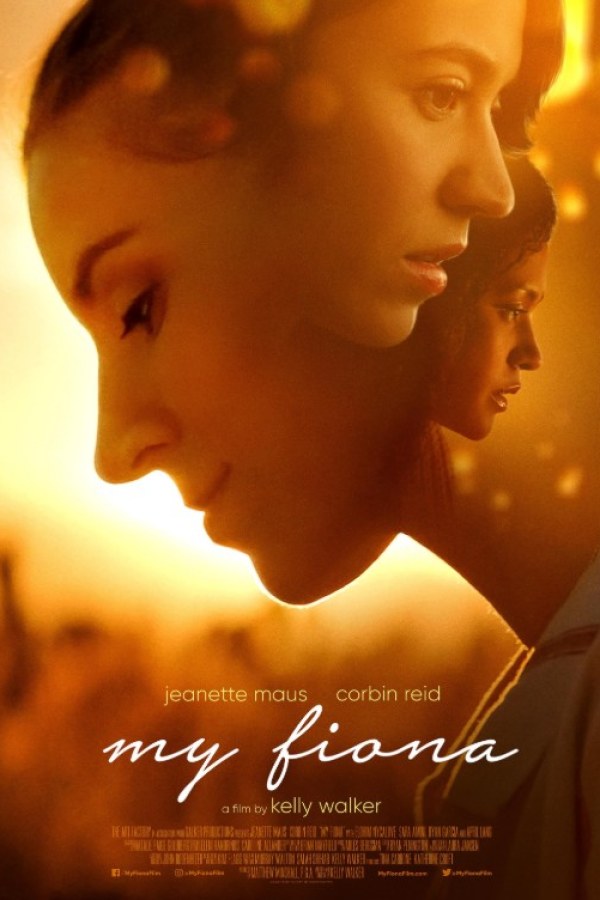
When watching an independent film that feels so raw it almost hurts, it is usually because the filmmaker left a piece of their own soul on the screen. This is exactly the case with Australian-born multi-hyphenate Kelly Walker, the brilliant writer and director behind the devastating 2021 drama My Fiona.
Walker, who grew up in Brisbane before moving to Los Angeles to chase her cinematic dreams, has built her career around a unique dual perspective. She spent years working as a professional actor and a commercial video editor, combining a deep empathy for character performance with a razor-sharp technical mind for pacing. But beyond her technical skills, her true power lies in her absolute bravery to tackle taboos. Here are the untold, deeply personal stories of Kelly Walker.
1. The Real-Life Tragedies That Inspired My Fiona
The sudden, devastating suicide that jump-starts the plot of My Fiona was not born out of a screenwriter’s imagination—it was drawn directly from Walker's childhood trauma. When Kelly was just 12 years old, her beloved babysitter took her own life unexpectedly, with no letter or warning.
"It was one of those things where you go: the world is not a safe place," Walker shared in interviews. Decades later, the exact same tragedy struck her family again when a close friend of her brother passed away under similar circumstances. Walker wrote the film to map out what she calls the "spiderweb of suicide"—the chaotic, non-linear ways that a sudden exit shatters and connects the people left behind.
2. A Public Coming Out Through Her Own Script
For Walker, writing My Fiona wasn’t just a way to process grief; it was the catalyst for understanding her own sexual identity. Although she had been in relationships with women in the past, she had been happily married to a man for years, which made her feel like her marriage choice somehow "negated" her bisexuality.
Through crafting the character of Jane—who falls into a circumstantial, consuming romance with her late friend's widow—Walker finally found the clarity she needed. She used the film to publicly come out as bisexual, intentionally writing a story where love and desire exist in the "gray spaces," completely free from rigid Hollywood labels or explanations.
3. The Childhood Pact That Started It All
Walker's journey into filmmaking began long before she moved to America. Between the ages of 12 and 15, Kelly and her childhood best friend made an incredible pact: they would produce, write, direct, edit, and star in one full-length feature film every single year.
For her 13th birthday, her parents even gifted her professional editing software. When that formative childhood friendship eventually ended, a piece of Kelly's identity died with it, and she abandoned filmmaking for years to focus strictly on acting. Much of Jane’s agonizing struggle in My Fiona to redefine who she is without her "ride-or-die" counterpart mirrors Walker's real-life pain of losing that early creative partnership.
4. Leveraging the "Editor’s Brain" to Protect Her Actors
Because Walker spent years working as a video editor to pay the bills in Los Angeles, she developed a unique advantage when she finally stepped into the director's chair. While many indie directors over-shoot and exhaust their cast, Walker edits the movie in her head while standing on set.
Knowing exactly which angles she needed allowed her to keep shoot days short and highly focused. More importantly, she used this efficiency to protect her actors. Knowing how emotionally draining the grief-heavy scenes were for Jeanette Maus and Corbin Reid, Walker structured the schedule to capture their most heavy, vulnerable close-ups first, ensuring they didn't have to stay in that dark psychological space for hours on end.
5. Embracing "The Messiness" in Her Own Grief
Tragically, life imitated art in the most heartbreaking way possible. Just three weeks before My Fiona made its festival premiere, the film's lead actress, Jeanette Maus, passed away at the age of 39 after a battle with cancer.
Walker, who had been close friends with Maus for nearly seven years, found herself forced into the exact position of the characters she had written. Watching her late friend breathe, laugh, and cry on the screen became a profound, agonizing extension of Walker's own grieving process. She has since dedicated her promotional journey to honoring Maus’s legacy, hoping the film helps audiences realize that grief is never a clean, linear five-stage process—it is sideways, messy, and sometimes very ugly.
🔍 Exclusive Insight: Deconstructing the Gray Spaces
To truly understand how Walker’s private experiences shaped this moving feature, her deep-dive conversations offer invaluable context. For an intimate look at her creative process, her philosophy on portraying fluid bisexuality without rigid labels, and the emotional backstage journey of the script, you can watch the full Kelly Walker interview on My Fiona. It provides a beautiful roadmap to the heart of an artist who refuses to compromise on honesty.
The Verdict
Kelly Walker is a filmmaker of immense emotional bravery. She doesn’t hide behind special effects or massive studio budgets; she stands completely exposed through her characters, using cinema as a canvas to figure out the most complex parts of human existence. For QueerFilmHub readers who appreciate stories that explore fluid sexuality, heavy grief, and the undeniable power of female relationships, Kelly Walker is an indie auteur whose raw authenticity demands your attention. 🚀🕯️