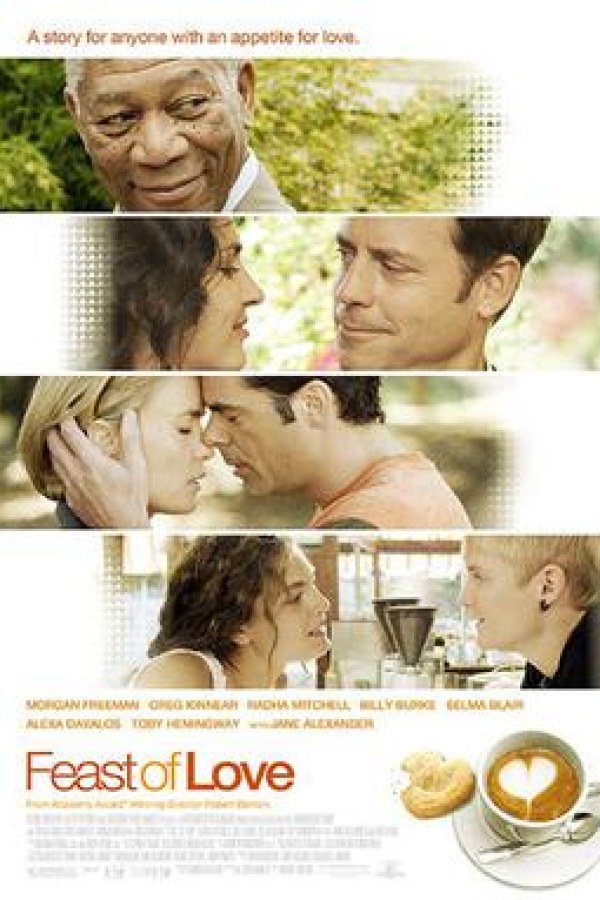
Robert Benton is an Academy Award-winning American director, screenwriter, and a pivotal figure of the New Hollywood cinema movement. Co-writer of the seminal masterpiece Bonnie and Clyde, Benton went on to helm deeply intimate, character-focused dramas that define the evolving landscapes of family, moral resilience, and domestic life in 20th-century American cinema.
🎨 Visual Style & Core Themes
Quiet Character Realism: Benton’s directorial signature favors grounded, observant storytelling that gives actors room to breathe, capturing the subtle complexities of human relationships and personal choices.
Evolving Family Dynamics: His narratives frequently dissect changing social structures, parenthood, divorce, and non-traditional support systems with profound empathy and emotional honesty.
Period & Regional Atmosphere: Whether depicting the Great Depression or small-town Texas, Benton anchors his films in authentic textures, localized history, and understated atmospheric detail.
Generational Reconciliation: A recurring theme in his body of work is the bridging of gaps between generations, exploring how shared trauma or love reshapes personal bonds.
🌟 Key Works in Benton’s Filmography
Kramer vs. Kramer (1979) – An Oscar-winning masterpiece starring Dustin Hoffman and Meryl Streep that redefined cinematic depictions of divorce, single fatherhood, and gender roles.
Places in the Heart (1984) – A poignant, period drama set in 1930s Texas that explores endurance, racial tension, and unexpected community solidarity amidst adversity.
The Human Stain (2003) – An adaptation of Philip Roth's novel delving into hidden identity, societal secrets, and personal reinventiveness starring Anthony Hopkins and Nicole Kidman.
💬 QueerFilmHub Perspective
“Robert Benton is a master of humanistic drama—an auteur whose quiet restraint and empathetic character studies continue to illuminate the complex, shifting definitions of family and identity.”
🌐 Explore more filmmaker spotlights and auteur retrospectives at QueerFilmHub.