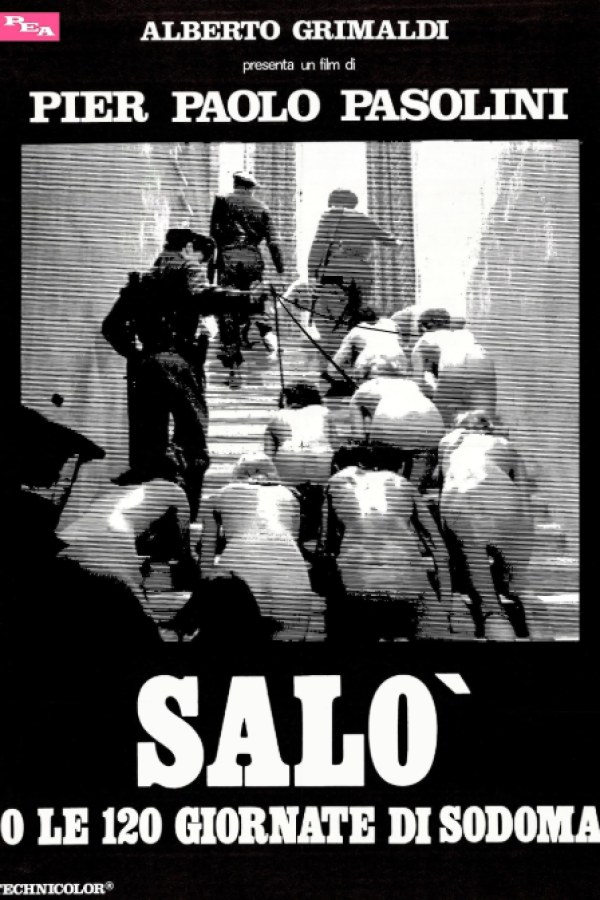
Pier Paolo Pasolini was a monumental Italian film director, poet, novelist, and radical public intellectual whose visionary, fiercely uncompromising body of work forever reshaped world cinema. Emerging from post-war Italian literature into filmmaking in the early 1960s, Pasolini forged a mythic, poetic cinema—spanning landmark works such as Accattone, The Gospel According to St. Matthew, Teorema, Medea, the Trilogy of Life, and Salò, or the 120 Days of Sodom—that confronted bourgeois conformity, fascism, religion, and sexual repression with prophetic intensity.
🎨 Visual Style and Key Themes
Sacred Realism and Painterly Composition: Pasolini fused raw, neorealist street portraiture with classical Renaissance iconography and stark, sculptural framing, elevating working-class bodies and marginalized faces to mythic, almost liturgical grandeur.
Queer Desire, Eros, and Subversive Liberation: Openly gay in a deeply conservative era, Pasolini placed homoerotic longing, physical vitality, and non-normative desire at the heart of his cinema—treating Eros both as a joyful force of anti-bourgeois resistance (as in Teorema and The Decameron) and as a site of dark political violence under fascism.
Anti-Consumerist Critique and Marginalized Humanity: Driven by his Marxist and poetic sensibility, Pasolini championed Rome's subproletariat, ancient myth, and pre-industrial cultures, warning fiercely against the homogenizing power of modern consumer capitalism and institutional authority.
💬 QueerFilmHub Perspective
"Pier Paolo Pasolini remains one of the most fearless, visionary radicals in the history of queer and world cinema. Refusing every boundary between the sacred and the profane, the poetic and the political, he turned the camera into an instrument of pure rebellion—honoring the beauty of the marginalized while exposing the brutality of power and conformity. His work endures as an electrifying, indispensable cornerstone of art-house and LGBTQ+ film heritage."