The Architect of Clinical Alienation and Institutional Defiance
1. Introduction: The Cartographer of the Fractured Individual
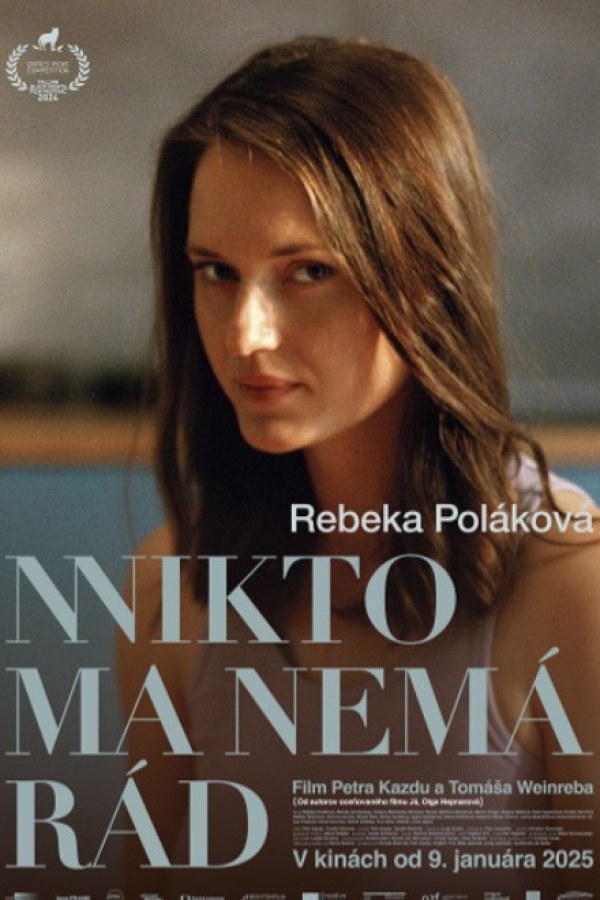
Petr Kazda—operating in an unbreakable, dualistic creative partnership with co-director and writer Tomáš Weinreb—stands as one of the most formally disciplined and intellectually uncompromising voices in modern Central European cinema. Bypassing the crowd-pleasing, sentimental tropes of mainstream Czech and Slovak media, Kazda has dedicated his lens to examining the violent friction between the marginalized individual and the cold, mechanical state apparatus. From the global critical coronation of I, Olga Hepnarova (Já, Olga Hepnarová, 2016) to the radical somatic interrogation of Nobody Likes Me (Nikdo mě nemá rád, 2024), his filmography serves as a definitive QueerFilmHub archive of existential sovereignty.
2. The Visual Grammar of Structural Claustrophobia
Kazda’s directorial signature is characterized by a striking, almost clinical aesthetic rigor. Rejecting high-velocity cutting rhythms and artificial emotional manipulation, his framing relies heavily on static, meticulously composed shots, geometric blocking, and a desaturated, oppressive color palette. Alongside Weinreb, Kazda transforms domestic and workplace environments—whether the damp, gray communal spaces of communist Czechoslovakia or the sterile, brutalist military offices of the modern state—into physical extensions of societal surveillance. The camera functions not as an empathetic observer, but as a silent, unyielding witness to the micro-spatial negotiations of isolated bodies.
3. Subverting the Central European Blueprint of Comfort
Within our critical matrix, Kazda is historicized for his fierce refusal to sanitize or compromise the dark, messy realities of human isolation. While contemporary regional cinema frequently commodifies historical trauma or packages queer representation into digestible, middle-class narratives of acceptance, Kazda demands that the spectator sit with discomfort. His protagonists are purposefully unlikable, defensive, and deeply flawed; they do not beg for societal validation or institutional integration. Instead, their choices represent a radical, sovereign declaration of independence against a hypocritical and binary social grid.