Few contemporary filmmakers navigate the fragile intersections of political history, psychological trauma, and repressed identity with the precision of Chilean director Pablo Larraín. Known for his piercing character studies and distinct visual aesthetics, Larraín has built a career dissecting power dynamics, institutional control, and the deeply personal costs of living under oppressive structures.
🎨 Visual Style & Narrative Themes
Psychological Portraiture: Larraín excels at taking high-profile or historical figures (Jackie, Spencer, Maria) and stripping away public myth to expose raw, claustrophobic intimacy.
The Weight of History: From his Chilean dictatorship trilogy (Tony Manero, Post Mortem, NO) to El Club, his work relentlessly examines how political violence and moral corruption shape individual psyche.
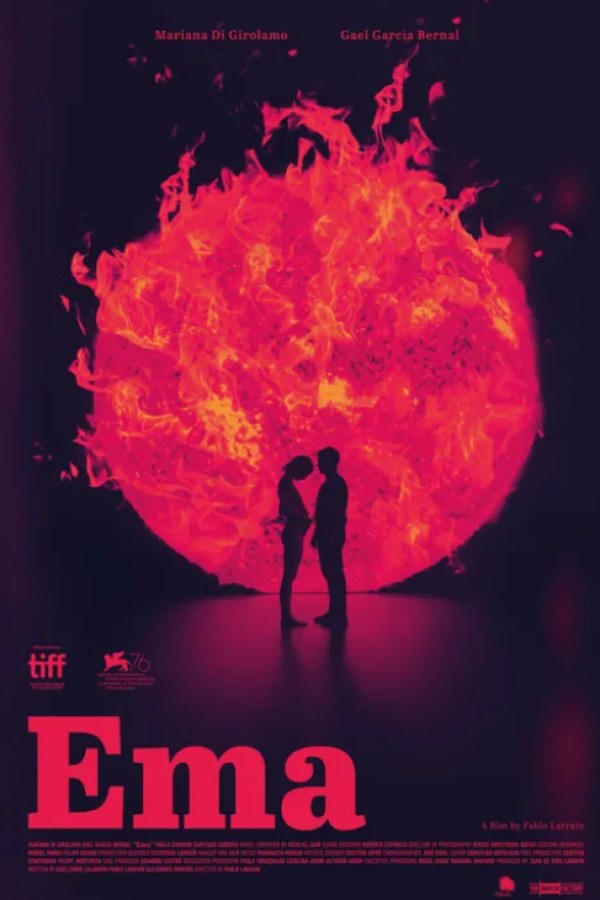
Subtle Queer & Subversive Subtexts: Films like Ema (2019) boldly showcase non-traditional family structures, fluid sexuality, and expressive rebellion against social norms, establishing Larraín as a master of unconventional character dynamics.
Textured Cinematography: Working frequently with cinematographer Sergio Armstrong and later Edward Lachman, Larraín utilizes vintage lenses, 16mm/35mm grain, and tight framing to heighten internal tension.
🌟 Key Works in Larraín’s Filmography
NO (2012) – The Academy Award-nominated drama detailing the 1988 plebiscite campaign that brought down Pinochet’s regime, shot entirely on vintage U-matic video tape.
El Club (2015) – A dark, unflinching look at accountability and systemic cover-ups within a secluded house of disgraced priests.
Neruda (2016) – An inventive, anti-biopic "chase film" exploring poetry, communist politics, and self-invention.
Ema (2019) – An electrifying, reggaeton-infused portrait of modern art, open relationships, and maternal obsession.
Spencer (2021) – A gothic fable isolating Princess Diana within a rigid royal estate over three harrowing days.
💬 Discussion Point for QueerFilmHub
„Cinema isn’t just about recreating history; it’s about capturing the emotional truth that official records try to erase.”
Which Pablo Larraín film left the strongest impression on you? Let us know in the comments below! 👇