1. Introduction: The Disruptor of the Colonial Narrative
Ángel Manuel Soto stands as a major architectural force in contemporary cinema, bridging the gap between uncompromising, low-budget realism and blockbuster spatial scale. The Puerto Rican director, screenwriter, and producer utilizes his lens to systematically dismantle the sanitized, exoticized illusions of the Caribbean and urban landscapes. Throughout his trajectory, Soto historicizes the volatile intersections of economic disenfranchisement, community resilience, and individual survival, establishing his entire body of work as a critical examination of somatic and cultural sovereignty.
2. The Visual Grammar of High-Velocity Proximity
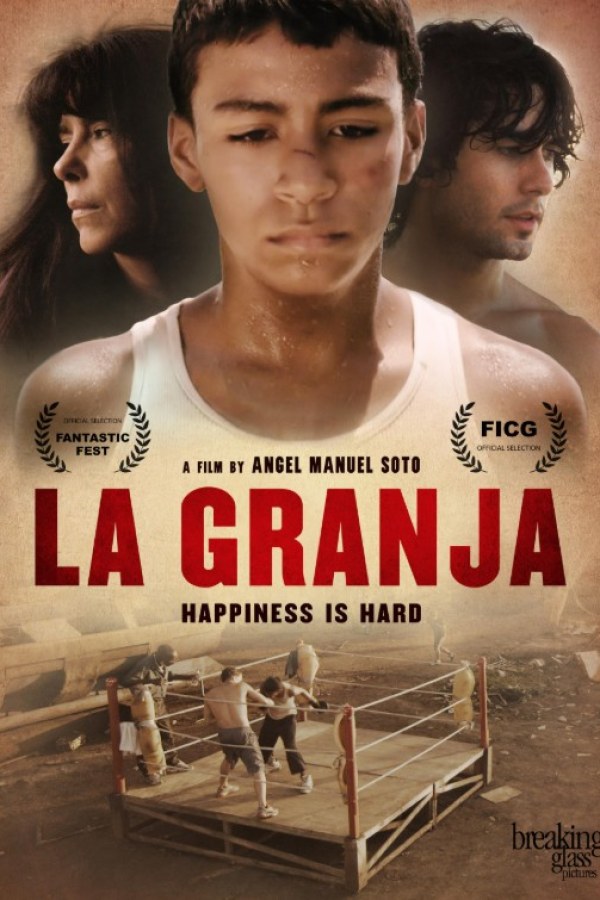
Soto's directorial signature is characterized by an urgent, highly kinetic visual language. Whether operating within the cramped, low-lit apartment cages of La Granja or tracking dirt bike subcultures through expansive, fluid tracking shots in Charm City Kings, his camera breaks down any safe distance between the spectator and the screen. He rejects flat compositions, opting for saturated, high-contrast colors, harsh neon accents, and heavy environmental realism. The framing acts as a sensory mirror to the characters' internal claustrophobia, transforming geographic layouts into active, predatory labyrinths.
3. Dismantling the Global Studio Blueprint
Within the QueerFilmHub ecosystem, Soto is analyzed as a definitive blueprint for navigating the transition from indie rebellion to major studio machinery without suffering narrative assimilation. In Blue Beetle (2023), he successfully hijacked the hyper-industrialized superhero matrix to deliver a deeply political, authentic focus on a Latine working-class family fighting against corporate, tech-driven colonialism. His filmography serves as an elite masterclass in independent agency—proving that subversion is most powerful when it weapons-grades the core mechanics of mainstream media to tell stories of displacement and raw survival.
4. Midnight Audio Masterclass: Deep-Dive
Our intellectual community—locking in an average of 16+ minutes evaluating uncompressed structural cinema—is heavily analyzing Soto's atmospheric execution. In this dedicated module, we dissect:
The Sonic Architecture of Turf: How Soto strips away clinical, over-engineered sound designs to prioritize raw regional accents, overlapping overlapping dialogues, heavy engine hums, and organic street levels to build an invisible sonic cage.
The Geometry of In-Frame Resistance: The technical camera blocking required to scale narrative tension—moving seamlessly from tight, handheld personal friction to grand, wide-angle cinematic statements without fracturing character intimacy.
5. Conclusion: The Permanent Archive of Autonomy
Ángel Manuel Soto remains an essential icon for the future of independent and global filmmaking. His unyielding commitment to centering marginalized realities and maintaining his distinct aesthetic sovereignty ensures his catalog operates as a direct counter-strike against industrial sanitization. Through rigorous archival preservation and deep critical review, his directorial voice continues to carve out radical spaces for unfiltered representation.
👁️ INSIDE THE MATRIX: EXCLUSIVE INTERVIEW
Now that you have dissected the structural trap of "La Granja", dive deeper into the somatic reality of Puerto Rican cinema. Read our exclusive, uncompressed dialogue with star and director Jazmín Caratini on weaponizing silence and reclaiming the female narrative.