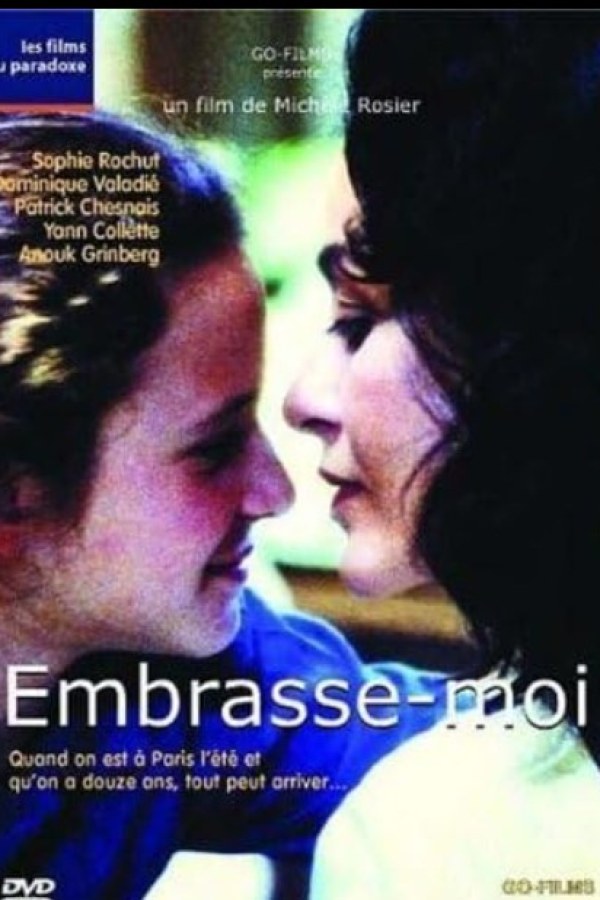
Michèle Rosier was a pioneer of French independent cinema and avant-garde fashion design. Moving effortlessly between the worlds of high fashion, photojournalism, and filmmaking, Rosier brought a uniquely feminist, sensory, and anti-conformist gaze to late 20th-century European culture.
🎨 Visual Style & Core Themes
Tactile & Aesthetic Sensitivity: Drawing heavily from her background as a fashion designer (pioneering vinyl materials and modern sportswear in the 1960s), her frames emphasize texture, fabric, movement, and color.
Feminist Agency & Identity: Her characters—often women navigating love, independence, and social constraints—refuse conventional domesticity or male gaze expectations, charting their own emotional paths.
Docu-Fiction Realism: Rosier frequently blended non-fiction observational techniques with narrative storytelling, capturing authentic urban spaces, artist communities, and socio-political dynamics.
Subtle Intimacy & Free-Spiritedness: Rejecting dramatic grandstanding, her storytelling relies on atmospheric lingering, unspoken desires, and quiet moments of solidarity.
🌟 Key Works in Rosier’s Filmography
George Who? (George qui?, 1973) – A bold, non-linear feminist biographic exploration of 19th-century author George Sand (played by Anne Wiazemsky), focusing on her independence, non-conformist love life, and political involvement during the Paris Commune.
Mon cher sujet (1988) – A poignant multi-generational drama capturing the lives, artistic ambitions, and romantic complexities of three women from the same family (a grandmother, mother, and daughter).
Pullman Paradiso (1995) – A vibrant ensemble piece exploring human connections, longing, and serendipity aboard a luxury tour bus traveling through Europe.
💬 QueerFilmHub Perspective
“Michèle Rosier bridged fashion and film with radical elegance—crafting a sensory, unapologetically female lens that celebrated independence, desire, and artistic freedom.”