Lillah Halla is an acclaimed Brazilian filmmaker and visual artist whose dynamic, visceral storytelling stands at the forefront of contemporary queer and Latin American cinema. Known for her bold, highly physical narratives, Halla explores themes of bodily autonomy, collective resistance, and marginalized solidarity with energetic visual rhythm and raw emotional power.
🎨 Visual Style & Core Themes
Kinetic & Visceral Cinematography: Halla’s direction utilizes expressive camera movement, tight framing, and vibrant color palettes, capturing the physical energy, tension, and collective strength of her characters.
Bodily Autonomy & Reproductive Rights: Her work fearlessly addresses systemic oppression, bodily self-determination, and the socio-political struggles surrounding women’s and queer rights in modern Brazil.
Queer Sisterhood & Found Family: Halla places collective liberation at the heart of her narratives, emphasizing how solidarity, shared resistance, and community form protective sanctuaries against hostile environments.
Subversive & Genre-Blending Realism: Blending intense social realism with elements of high-energy sports drama, queer fiction, and magical realism, her storytelling transforms personal defiance into a compelling cinematic force.
🌟 Key Works in Halla’s Filmography
Menstruating Machine (Suava, 2014) – An early, experimental short film exploring gender, performance, and bodily identity through sharp visual metaphors.
SVAMPA (2019) – A critically noticed short film showcasing her distinct focus on marginalized voices and atmospheric narrative pacing.
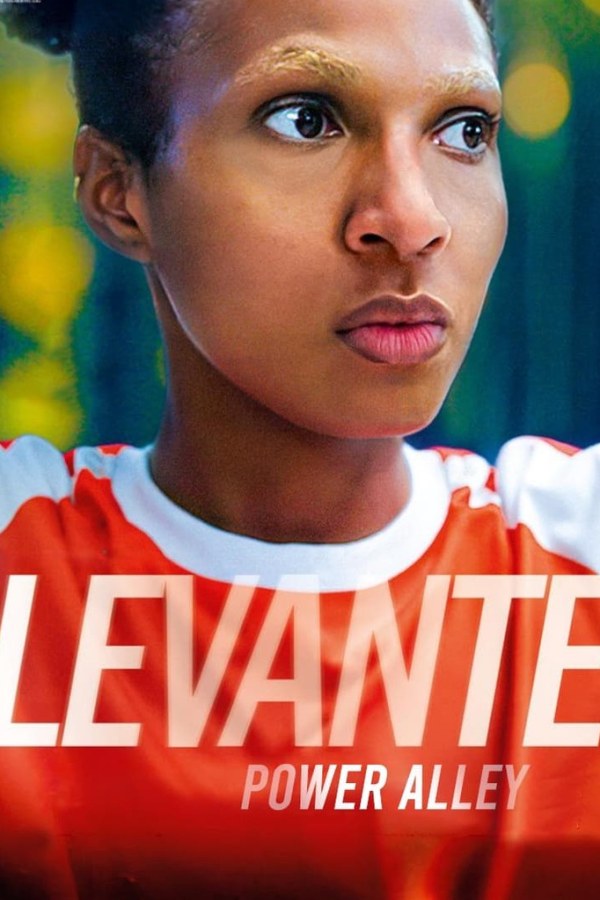
Power Alley (Levante, 2023) – Her award-winning debut feature following Sofia, a promising young volleyball player facing an unexpected pregnancy in a country where abortion is criminalized. Supported by her queer, non-binary team, the film won the prestigious FIPRESCI Award for Best First Feature at the Cannes Film Festival.
💬 QueerFilmHub Perspective
“Lillah Halla is a fierce, electrifying voice in world cinema—an auteur who transforms bodily resistance and queer solidarity into a kinetic, triumphant celebration of collective freedom.”