Clare Beavan is an acclaimed British documentary director and producer, renowned for her vivid, story-driven approach to arts programming, cultural history, and LGBTQ+ documentary storytelling.
Filmmaker Overview
Notable Works: Daphne (2007), RSC Meets Harvey Weinstein (2006), Lesbian histories / BBC arts documentaries, Simon Schama's Power of Art (contributor)
Core Themes: Cultural biography, suppressed literary history, complex female sexuality, historical re-evaluation, and artistic passion.
Aesthetic Signature & Visual Language
Seamless Blend of Archive and Drama: Beavan is celebrated for her hybrid documentary technique, merging meticulous archival research with stylized, highly immersive dramatic reconstructions that bring historical figures to life.
Uncompromising Character Portraits: Her lens avoids sanitizing complex historical figures, preferring to focus on the raw, often contradictory impulses of artists, writers, and cultural icons.
Atmospheric Period Detail: Through rich lighting, thoughtful art direction, and intimate performance direction, Beavan evokes the psychological mood of specific eras rather than mere historical accuracy.
Key Highlights & Career Milestones
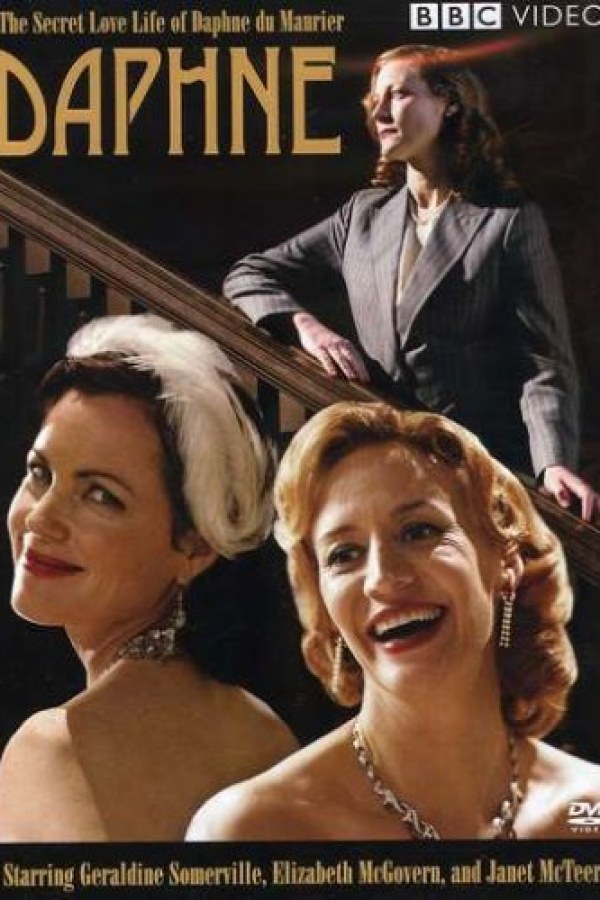
Acclaimed Directorial Debut in Drama-Doc: With Daphne (2007) for the BBC, Beavan directed a landmark biographical film exploring the tumultuous life and closeted secret relationships of celebrated author Daphne du Maurier (played by Geraldine Somerville).
BAFTA-Winning Arts Storytelling: As a long-standing collaborator with the BBC, her work on major arts and history series has earned critical acclaim and top broadcast industry awards for making complex cultural history accessible and engaging.
Championing Queer & Women's Histories: Throughout her career, Beavan has consistently brought underrepresented narratives to mainstream television, illuminating the hidden romantic lives and creative struggles of pioneering women.
🌟 CRITIC'S VERDICT 🌟
8.5/10 — A Master of Historical Storytelling
“Clare Beavan excels at unlocking the quiet secrets of cultural history. Through her elegant synthesis of documentary rigor and dramatic intimacy, she brings extraordinary depth and dignity to queer literary heritage.”