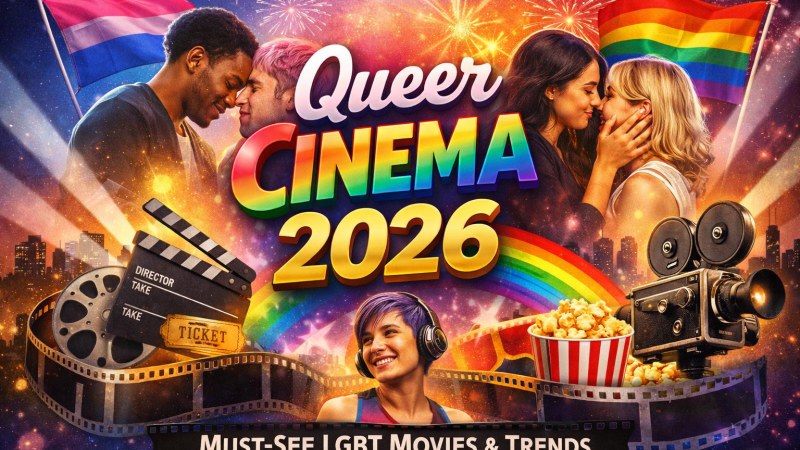
The year 2026 promises to be a watershed moment for queer cinema. After years of gradual growth and the fight for visibility, LGBT+ films are entering the mainstream with new strength, boldness, and diversity. This is no longer just niche or festival cinema—it is a full-fledged part of global cinema that attracts a wide audience.
One of the key reasons for this growth is the increasing number of high-budget, wide-release productions. Films like Mother Mary and The Wedding Banquet demonstrate that queer stories can be both artistic and commercially appealing. Audiences are increasingly drawn to these types of films, and film studios are beginning to recognize their potential.
At the same time, queer cinema in 2026 is distinguished by its immense diversity. Alongside major productions, many independent films are being made that explore more intimate and personal stories. Filmmakers from various parts of the world—Europe, Asia, and South America—bring new cultural perspectives to cinema, allowing audiences to see a much broader picture of LGBT+ experiences.
The growth of lesbian cinema is particularly evident, as it has gained prominence in recent years. An increasing number of films focus on relationships between women in a natural and non-stereotypical way. These stories are no longer told solely through the lens of conflict or rejection—instead, they depict everyday life, emotions, and relationships in a more authentic manner.
We also cannot overlook the role of streaming platforms, which have played a key role in the development of queer cinema. Thanks to them, productions that might not have reached wide distribution in the past now reach a global audience. This has opened the door for new creators and bolder themes that were previously overlooked by the mainstream.
The year 2026 is also a time of formal experimentation. Filmmakers are increasingly blending genres, playing with narrative and aesthetics, and creating films that transcend the traditional boundaries of cinema. Queer stories appear in musicals, thrillers, science fiction, and historical dramas, demonstrating that there is no longer a single way to tell these stories.
Most importantly, queer cinema is no longer defined solely by its subject matter. LGBT+ films are simply becoming good cinema—full of emotion, great acting, and compelling stories. This is a sign that the film industry is maturing, and audiences are ready for more open and diverse narratives.
In summary, 2026 may turn out to be one of the most significant moments in the history of queer cinema. It is a time when diversity, authenticity, and creative courage are meeting with growing interest from audiences. If this trend continues, the future of LGBT cinema looks more exciting than ever before. 🎬🌈